A public records lookup pulls information from government-maintained files that record verified details about people and property. These records come from courts, local offices, state agencies, and federal databases. They may include legal filings, ownership records, marriage details, and basic identity entries tied to official documentation.
This type of system organizes data that is already recorded by public institutions. It helps bring scattered files into a structured format linked to a name, address, or case reference. A people search public records process is often used when there is a need to review background-related information tied to legal or administrative history. It supports checks involving identity verification, address history, and public case listings.
What are People Search Public Records?
People Search Public Records lets users view information stored https://www.peoplefinder.com/ in government and verified databases about a person. It connects a public records lookup system with people finder records to show basic identity and history details.
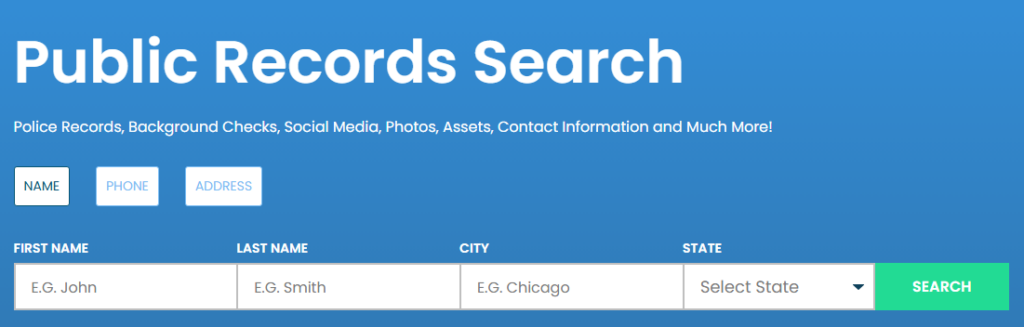
What are public records?
Public records are documents created by government agencies. They include court filings, property ownership files, marriage licenses, and other recorded events. These entries sit inside a public database search system organized by name, location, or case reference. They are official records created during legal or administrative processes, not private communications or personal notes. It helps organize information recorded over time across different agencies.
How people search works
People search tools scan multiple public databases and match available identifiers such as names, cities, or dates. The system then builds people finder records that group related information into a single profile. In many cases, it may also show background check people data like court cases, address history, or known associations pulled from verified sources. Search results depend on available records and matching accuracy.
Public Records People Search Finder
Public records people search systems collect information from government databases and court systems to show documented history linked to a name. These systems help users review legal, custody, and identity-related records from multiple official sources. This page brings together major categories of public records so users can locate criminal, arrest, jail, court, and missing person data in one place. Each section connects to official federal and state databases where available.
Criminal Records Search
A criminal records search shows documented legal history related to charges, convictions, and case outcomes. A criminal history lookup pulls data from court systems, correctional departments, and federal agencies. These records are often used for identity verification and case tracking. A background report people review may include criminal entries, along with court results and custody history.
What criminal records may include:
- https://www.bop.gov/inmateloc/
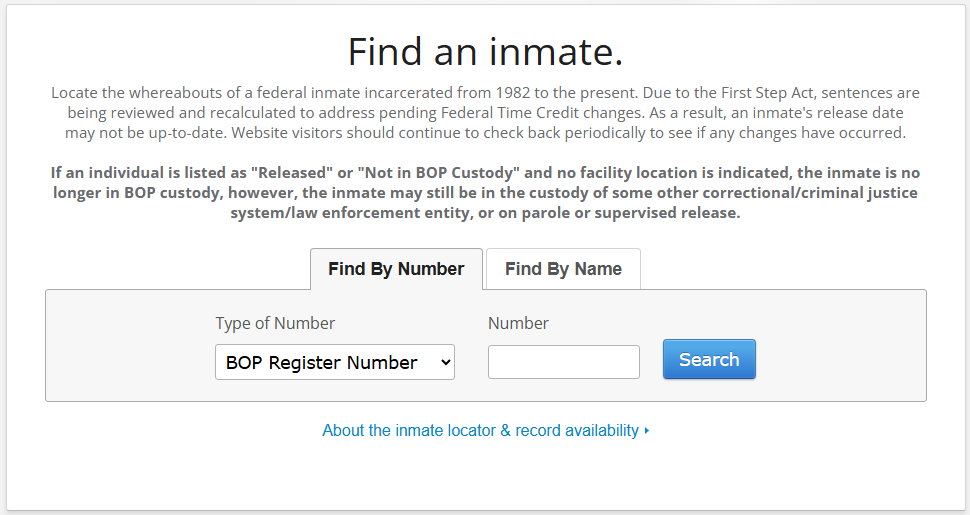
- Felony and misdemeanor charges
- Conviction status and sentencing details
- Case identification numbers
- Probation or parole information in some states
Arrest Records Search
An arrest records search shows incidents where law enforcement detained a person. These records reflect arrest activity, not final court outcomes. Police departments and sheriff’s offices maintain arrest logs that form the basis of these records. A police records lookup usually shows booking information and initial charges.
Common arrest record details:
- https://pacer.uscourts.gov/
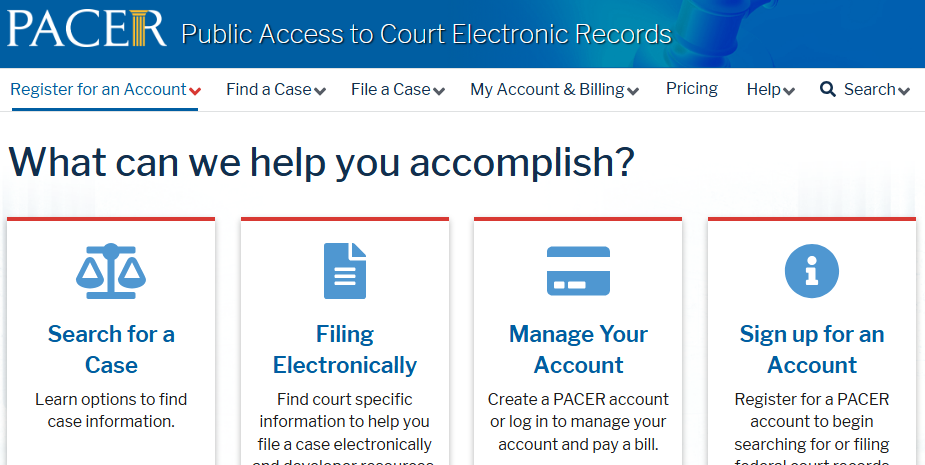
- Date and location of arrest
- Arresting agency information
- Charges at the time of booking
- Booking identification numbers
Arrest records may appear shortly after processing by law enforcement agencies. Some entries were later changed after court decisions.
Jail & Inmate Search
An inmate search shows the custody status of individuals held in jail or prison facilities. It helps locate where a person is currently detained or recently released. A jail records lookup pulls data from correctional departments and county jail systems. These records are updated based on facility intake and release activity.
Inmate record details may include:
- https://www.tdcj.texas.gov/

- Booking date and intake location
- Current custody status
- Facility name and location
- Listed charges at intake
Mugshots Search
A mugshots search shows booking photographs taken during arrest intake. These images are stored in arrest databases maintained by law enforcement agencies. An arrest database may include mugshots along with basic booking details such as charges and arrest location.
Mugshot records often include:
- Front and profile photographs
- Booking identification number
- Arrest date and location
- Charge summary at booking
Mugshots may remain public depending on state rules and record retention policies. Some records get removed after case dismissal or expungement.
Court Records Search
A court records search provides official case information from criminal and civil courts. These records show how a case moves through the legal system from filing to judgment. A legal records database contains filings, motions, hearings, and final rulings. Court records connect arrest events to final legal outcomes.
Court record details include:
- Case filing numbers
- Party names in the case
- Hearing schedules
- Final judgments or rulings
Missing & Deceased Records
Missing and deceased records come from law enforcement agencies, vital records offices, and national databases. These records support the identification of missing persons and the confirmation of death records. A public records archive may include long-term case entries tied to missing person reports or death indexes.
Missing person record details:
- Last known location
- Date reported missing
- Physical description
- Case status updates
Deceased record details:
- Date of death record filing
- Location of registration
- Certificate reference number
- Registration authority
How Public Records People Search Works
Public records people search works by collecting verified government data and organizing it into searchable systems. A public records lookup pulls information from courts, agencies, and official registries to build a clear profile report. A criminal history lookup follows the same structure but focuses on arrests, charges, and court outcomes stored in official databases.
How the system turns records into searchable results
Public records search tools do not create new information. Instead, they collect existing data from official sources and arrange it in one place. This process helps users find information faster through a public database search.
Data comes from multiple sources, such as:
- County and state court systems
- Police departments and arrest logs
- Correctional facility records
- Civil case registries
- Government public indexes
Once collected, the system organizes everything into structured profiles. This makes it easier to connect names, dates, and case details.
Steps: the system behind public records search
Public records platforms follow a structured flow to turn raw data into readable reports. Each stage plays a clear role in accuracy and speed.
Data collection
Government sources release public data at different times. The system gathers this data from:
- Court databases
- Arrest logs and jail records
- State registries
- Public notice systems
This stage focuses on collecting only verified and updated entries.
Database indexing
After collection, the data gets sorted into indexed systems. Indexing means organizing records by:
- Full names
- Dates of birth
- Case numbers
- Location details
This structure supports fast filtering during searches.
Search matching
When a user performs a public records lookup, the system scans indexed data. It matches search inputs with stored records.
Matching may include:
- Name variations
- Address history
- Criminal case identifiers
- Court activity links
A criminal history lookup uses stricter matching rules to separate similar names and reduce confusion.
Report generation
After matching is complete, the system builds a report. This report combines all related data into one readable file.
Reports may include:
- Arrest history
- Court case summaries
- Civil filings
- Location history records
This step turns raw data into a structured profile that users can review quickly.
Why public records systems stay organized and searchable
Public records search tools rely on constant updates from official agencies. New court filings, arrests, or case updates are added to the system regularly.
This helps maintain accuracy across:
- Court records search results
- Police records lookup entries
- Ongoing public database search systems
The structure also reduces duplicate entries by cross-checking data points like names and dates of birth.
Background Check & People Search Reports
Background check people reports collect verified public data tied to a person’s identity, history, and records. People search public records tools pull this data from court files, property logs, and other public databases to form a background report that people can review in one place.
What a Background Check Report Includes
A background report people file brings different public record details into one structured view. These records come from government sources, court systems, and address databases linked to a person over time.
A typical report from people search public records may include:
- Full name and known aliases
- Contact details tied to past listings
- Current and previous addresses
- Age range or birth year
- Possible relatives or associates
- Property ownership history
People finder records also combine digital traces from multiple databases. This helps form a clearer timeline of public activity linked to one identity profile.
Identity Data Found in People Search Reports
Identity data forms the core of background check people reports. It helps match a name to verified public records across systems.
Identity data points include:
- Legal name variations used over time
- Date of birth range
- Phone numbers linked to past listings
- Email addresses found in public directories
- Known location history
This data helps connect multiple records under one profile in people finder records systems. Even small changes like address shifts or name variations get logged across databases.
| Identity Element | What It Shows |
|---|---|
| Name history | Different spellings or aliases |
| Contact info | Phone and email traces |
| Location data | Cities or states linked over time |
Identity data helps separate people with similar names by matching unique record patterns.
Criminal and Address History Records
Criminal and address history often form a major part of background report people searches. These records come from official public filings and court systems.
Criminal history may include:
- Arrest records from county systems
- Misdemeanor or felony charges
- Court case outcomes
- Sentencing details were public
Address history may show:
- Past residential addresses
- Duration of stay at each location
- Property ownership or rental records
- Migration patterns between states
These details in people search public records help create a timeline of movement and legal activity tied to a person’s profile. Not every report contains criminal data, since availability depends on jurisdiction and record publication rules.
Best Ways to Find People Using Public Records
Public records help locate background details through verified government and public databases. A structured public records lookup makes it easier to trace names, contact details, and related history. Most people search public records methods rely on name, location, phone, or email inputs. These methods pull data from a public database search, helping match records linked to a specific profile or identity.
Name Search in Public Records Lookup
Name-based search is the most common method in a public records lookup process. It works by entering a full name into public databases that store court files, property records, and voter lists. This method helps connect records that share the same name across multiple sources. It often produces results tied to addresses, relatives, or past records.
Uses of name search:
- Checking court filings linked to a name
- Reviewing property ownership history
- Matching possible aliases or name variations
- Pulling records from county and state databases
Search accuracy improves when the full name and middle initial are available. Common names may return broader results, so filters like state or city help refine outcomes in a public database search.
Location Search for Find People Records
Location-based search narrows results by focusing on a city, county, or ZIP code. This method is useful when only partial identity details exist. It helps connect to find people’s records across local public systems such as tax records, court indexes, and property listings.
| Location Input | Record Type Found |
|---|---|
| City/State | Court records, voter lists |
| ZIP Code | Property data, tax filings |
| County | Arrest logs, civil cases |
This method works well in people search public records systems because many records are stored locally. Matching location data with a name or phone number improves result relevance across databases.
Phone Lookup in Public Database Search
Phone-based search links numbers to public listings, business filings, and past registrations. It is widely used in a public database search for tracing contact connections.
This method can return:
- Name tied to the phone number
- Carrier or service type
- Address history linked to the number
- Business or personal usage records
Reverse phone lookup tools often pull from utility records, online listings, and archived directories. This helps confirm identity patterns when only a number is available.
Email Lookup in People Search Public Records
Email lookup connects online identifiers with public and semi-public records. It is often used in people search public records systems to trace digital footprints.
Common data linked to emails includes:
- Social or business profile matches
- Registration records from websites
- Possible name associations
- Historical contact records
This method works best when the email has been used across public registrations or professional platforms. Many public records lookup systems combine email data with name and location details for stronger matching.
Are Public Records Searches Legal?
Public records searches are legal in the United States when they use information from authorized public sources such as court filings, property data, and government-held records. These searches become restricted when they are used for regulated decisions like employment or tenant screening without following specific laws. Most “background check people” searches stay legal when they follow public data rules and avoid prohibited use cases under federal law.
Legality of Public Records Searches
Public records are created by government offices and are generally open for public viewing. This includes court records, marriage licenses, property ownership, and certain arrest data. A legal database search collects this data from verified public repositories and compiles it for easier review. However, legality depends on how the data is used, not only how it is collected. Misuse can lead to compliance issues, especially when reports affect hiring, housing, or credit decisions.
Points that define lawful use:
- Public records come from court systems and government databases
- Data must not be altered or misrepresented
- Sensitive use cases require compliance checks
- Some records may be restricted by state law
A background check people search tool often pulls from multiple public sources. These tools remain lawful when they avoid restricted reporting purposes.
FCRA Rules and Legal Use Cases
The FCRA rules (Fair Credit Reporting Act) regulate how consumer data is collected and used in the United States. These rules apply when public records are used for employment screening, rental screening, or financial decisions.
Under FCRA rules, regulated reports must:
- Follow permissible purpose requirements
- Provide notice before use in adverse decisions
- Allow dispute rights for reported data
- Use verified and up-to-date sources
| Use Case | Legal Status | Notes |
|---|---|---|
| Personal curiosity search | Allowed | Public records only |
| Employment screening | Restricted | FCRA compliance required |
| Tenant screening | Restricted | Written consent required |
| General background check people search | Allowed | Must avoid regulated use |
Public record platforms that offer a legal database search typically separate personal searches from regulated reporting tools. This separation helps maintain compliance while still allowing public information review.
FAQs About Public Records People Search
Public records people search tools collect information from court systems, jail databases, and law enforcement reports to show available details about a person. Results may include jail status, arrest history, mugshots, and basic identity data, depending on what each agency has released. Updates vary by county and state, so some information appears quickly while other records may take time to reflect changes.
Can someone be found in jail records?
Yes, jail records can show whether a person is currently held in custody through county or state inmate databases. These systems list booking details such as arrest date, charges, and sometimes bond status. The information comes directly from correctional facilities, so availability depends on how often each facility updates its roster. A person may appear in one system but not another if they are transferred or recently released.
Are mugshots public, and are background checks accurate?
Mugshots are often part of arrest records and may be publicly available in many U.S. counties, depending on state rules and agency policy. Some jurisdictions publish booking photos online, while others restrict access after release or case resolution. Background checks built from public records combine multiple data sources like court filings, arrest logs, and identity matches. Accuracy varies since reporting delays, name similarities, and incomplete updates can affect how current or precise the results are.
Is a public records search free?
Basic public records searches may be available at no cost through government portals such as county clerk websites or sheriff’s office databases. However, more detailed reports that include full background history, address links, or aggregated data often come from paid services. Free searches usually provide limited information, while paid tools compile data from multiple jurisdictions for a broader report.
How accurate are background checks?
Background check accuracy depends on the quality and freshness of the source records. Court data and official agency logs are generally reliable, but delays in updates can create missing or outdated information. In some cases, records may show duplicate entries or mismatched identities when names are similar. Most systems recommend cross-checking multiple records to confirm details before relying on a single report.
Can public records show past arrests that were dismissed?
Yes, many public records systems still show past arrest entries even when a case was later dismissed or dropped. Court records may keep a historical entry that includes the original arrest along with the final case outcome. However, some jurisdictions limit how long dismissed cases remain visible or restrict certain details from public view. The availability depends on state law, record type, and how often the court database is updated.